

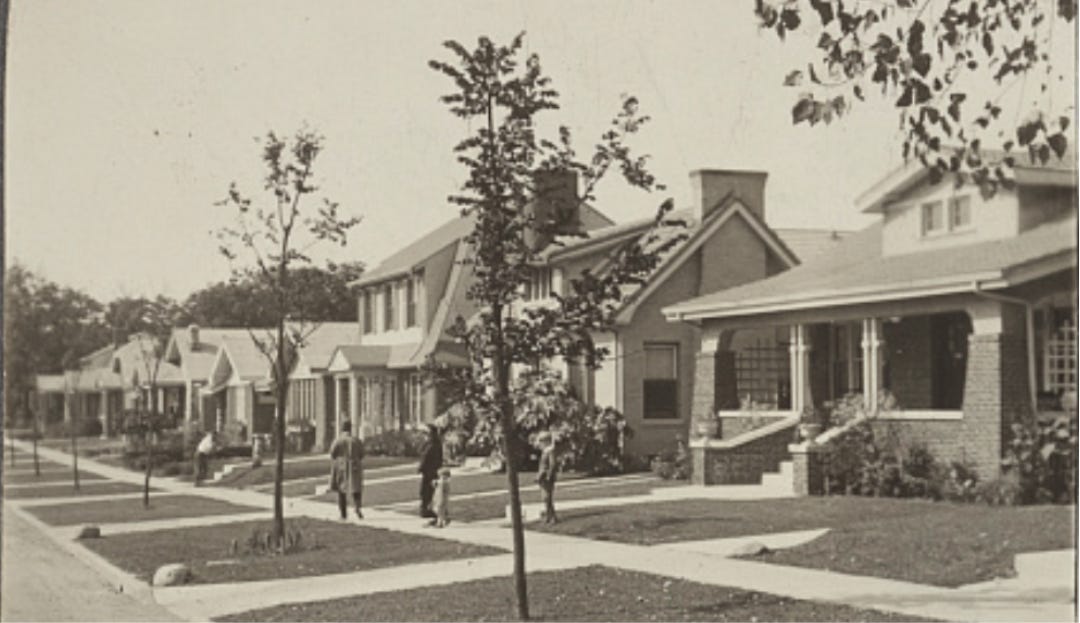
Welcome to all my new subscribers: Megan, Brad, Dave, Ryan, Gordon, Kevin, Alison, Green Tea, Mike C., William, AJ, Jim, HistoryGoneBananas, and Mike G! Substack has been a wild ride the past 11 days, and whether you’re reading, sharing, commenting, or supporting my work with a paid subscription, it’s much appreciated. Thank you!
For paid subscribers: if you’re ever digging into a historical question, or working on a research project of your own, send it my way. I’m happy to help point you toward sources or see what I can dig up. - Chris
Anyway, back to what I found today from 100 years ago. In 1926, a Brooklyn inventor had an idea for a smart home. There was just one small problem with it, which is maybe why it never caught on.
I’m Chris, and this is Hidden Lens History. Every day, I open the newspaper from exactly one hundred years ago, find something worth sharing, and follow the story as far as I can.
On September 20th, 1926, a Brooklyn inventor named Frank Dzierzenga filed two patent applications.
The first was for an electrical device that could automatically close an open window. The second was for a switch that knew when it was raining. Together, Dzierzenga could wire an entire house that could close its own windows if the weather got bad. In 1926!
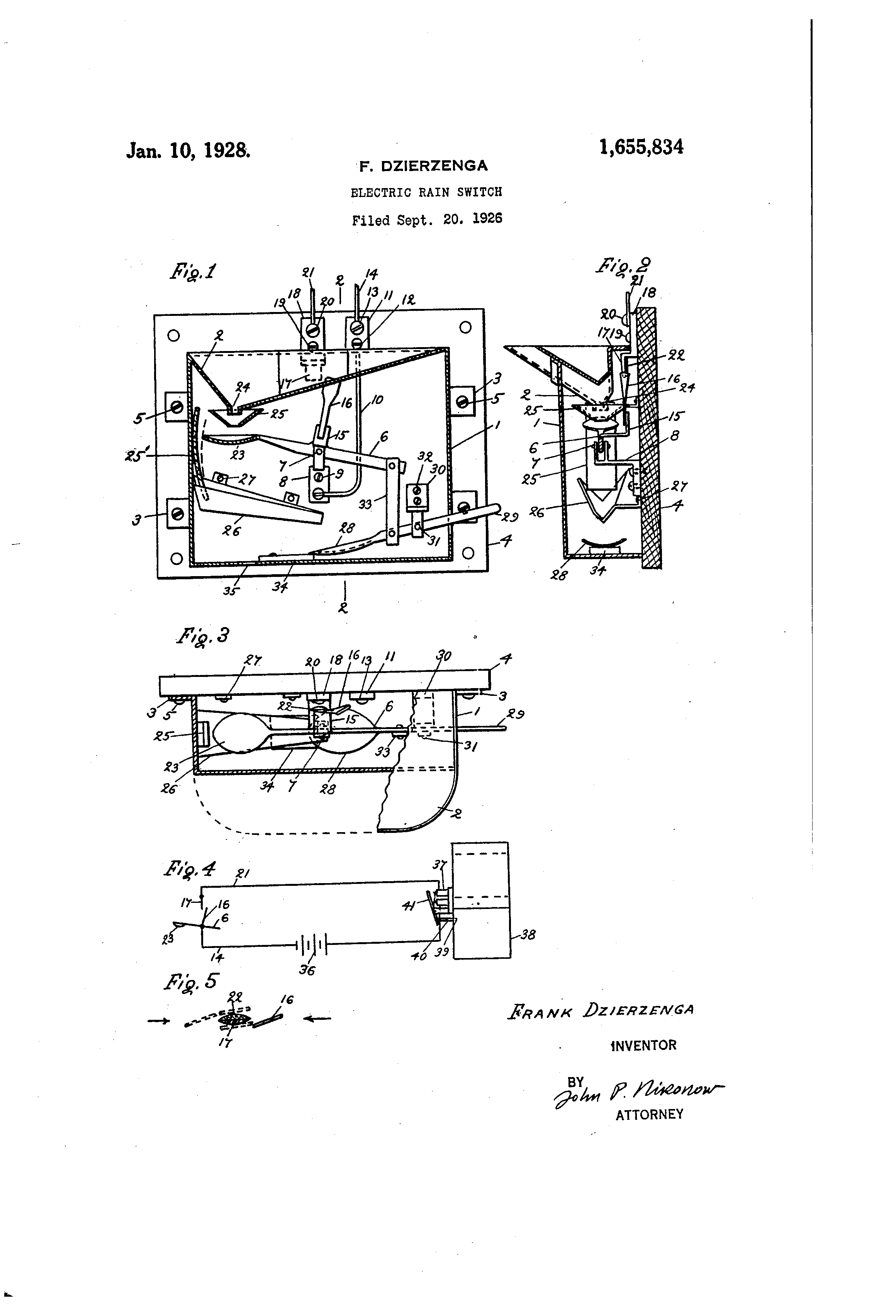
The idea sounds modern, but the mechanisms weren’t. The rain sensor was not electrical. Instead, it was a little container designed to catch rainwater. As the container filled up, the weight eventually tipped a balancing mechanism, which then brought two electrical contacts together to complete a circuit. The circuit could then activate the window-closing system.
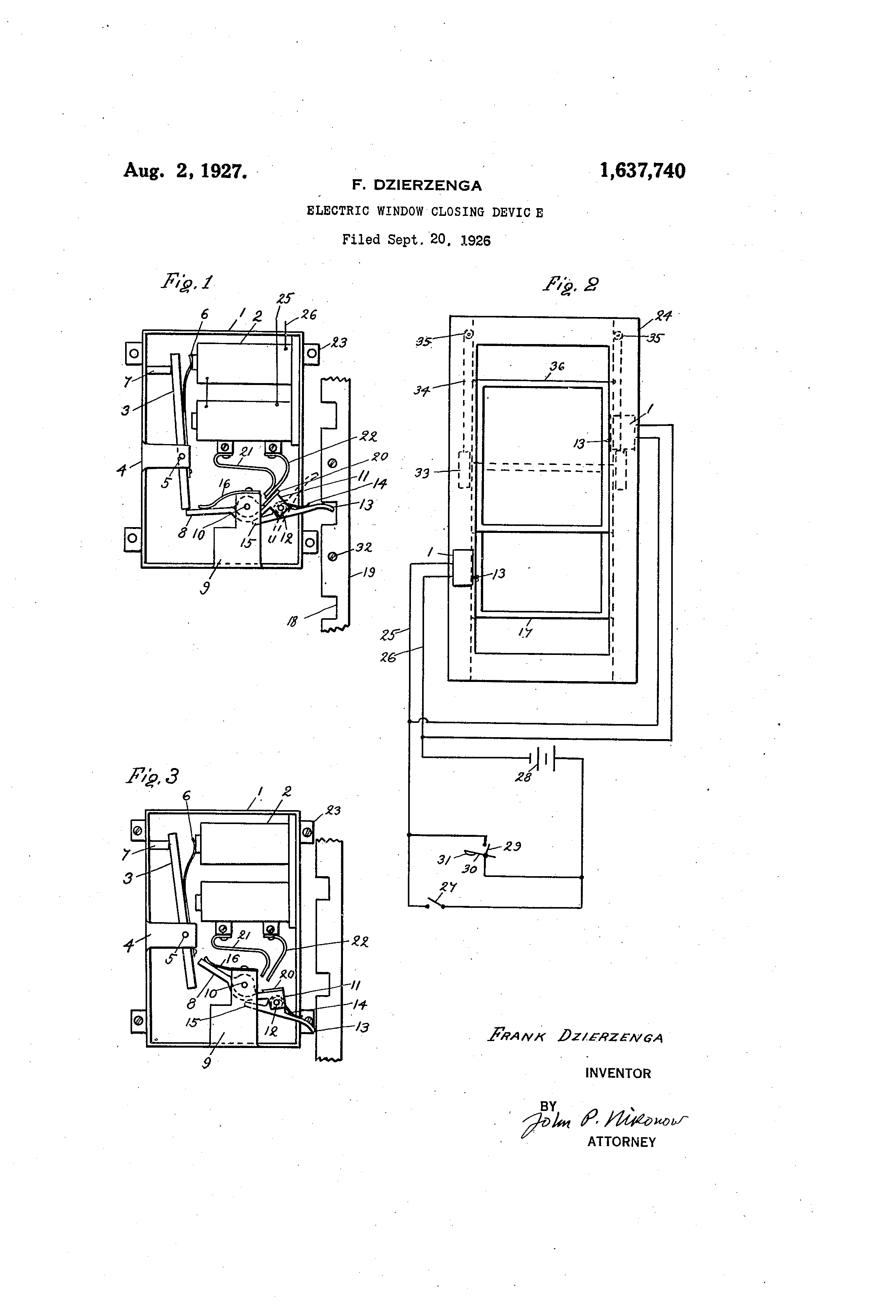
The window closing system was a simple lock/latch. A window would be opened manually, but then held in place by a magnetic locking mechanism. When the rain switch completed the circuit, the electromagnet released that lock. Then, the window simply closed under its own weight.
Sounds cool, but also… dangerous?
What happens if someone was leaning out of the window when it suddenly decided to slam shut?
Dzierzenga thought about that, too. Or at least got feedback. The following year, he filed another patent for a safety device intended for use with his automatic window closer. In that one, he specifically mentioned the possibility of a person’s “head or arm” being in the path of the descending sash.
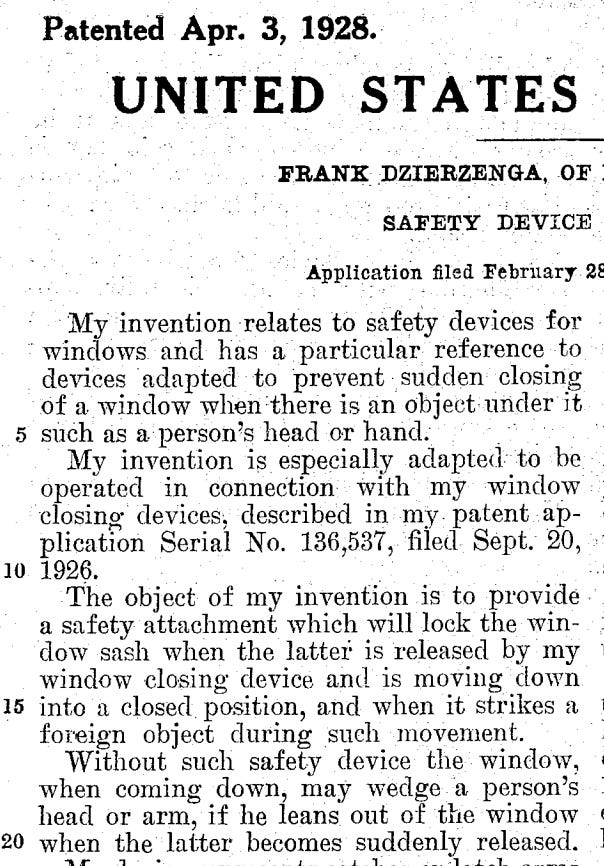
His solution was another mechanism designed to stop the window if it encountered an obstruction.
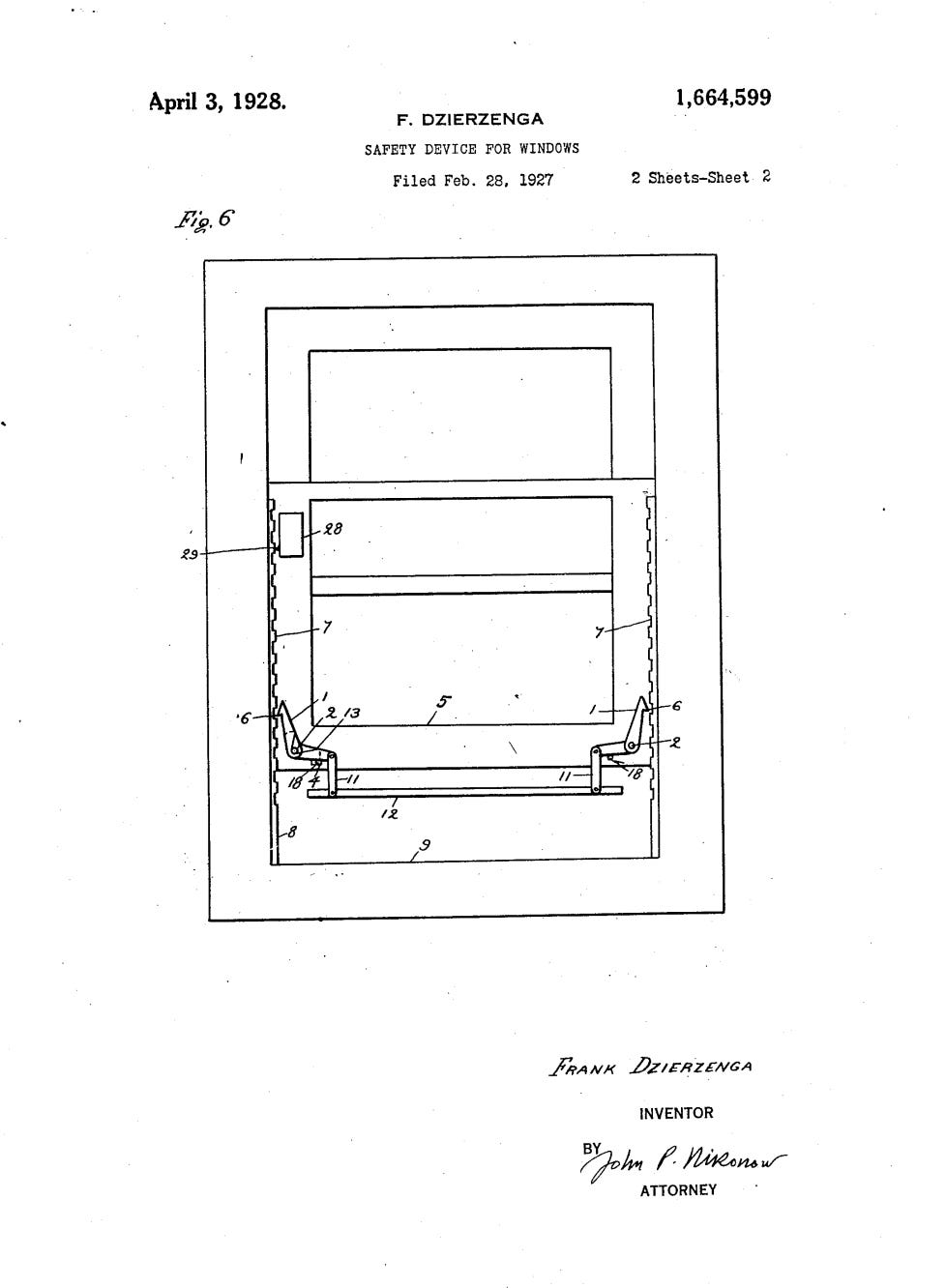
Seems fine. But the problem I noticed having opened and closed an old window or two in my day: wouldn’t slamming the windows shut from a wide open position break the glass?
Maybe that’s why these never caught on. Maybe the window latch and sensor system worked great, but smashed the windows out every time.
By 1927, his patents were all approved, but it seems no manufacturer ever licensed the devices.

And the automatic windows may have been the invention that made the newspapers, but they were not his only idea. The year before his sensor windows, he patented an automatic gas shutoff, designed to stop the flow of gas if a stove, furnace or other gas flame accidentally went out. Brilliant.
His device used heat from the flame to control a valve; if the flame disappeared, the mechanism cooled and shut off the gas, which Dzierzenga said could prevent poisoning or explosions.
I didn’t have time today to determine if his was the one that eventually turned into the exact safety devices we see today, but he certainly had plenty of good ideas for the home!
See you tomorrow - Chris
Everywhere else in the papers:
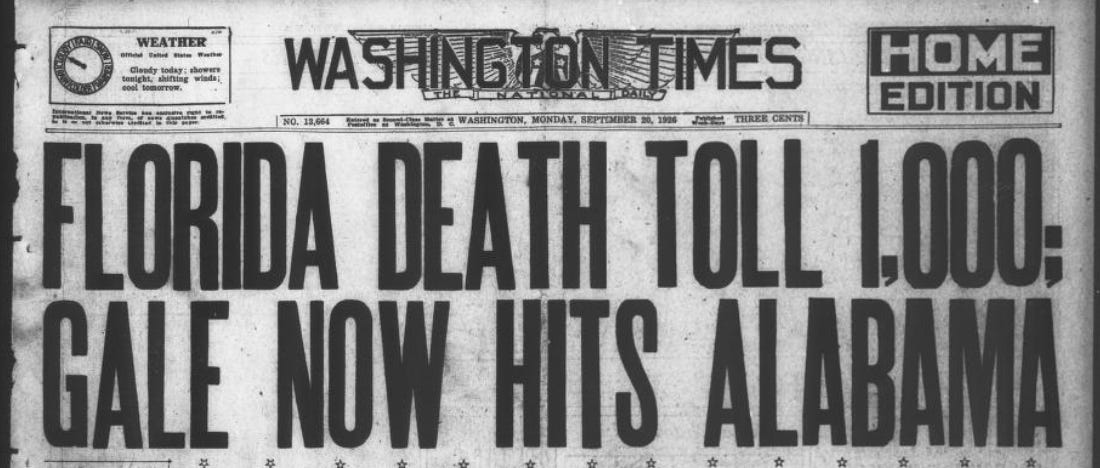
Also, the much more memorable event “100 years ago today” was the great Miami hurricane. Two days earlier, it had torn through South Florida. And the only thing every front page could agree on was that it was bad. Just how bad no one really knew. One front page estimated 300 dead. Another 1000. And another 1500. One headline reported loss up to $200 million. Those early numbers were wildly unstable as damaged roads and communications made entire communities difficult to reach. The Red Cross eventually reported 372 deaths and more than 6,000 injured, with damage estimated around $105 million.
Smart thermostats were also common. I once rented a bungalow with a little windup timer in the thermostat. You could set it for up to 12 hours to keep the heater off at night.